





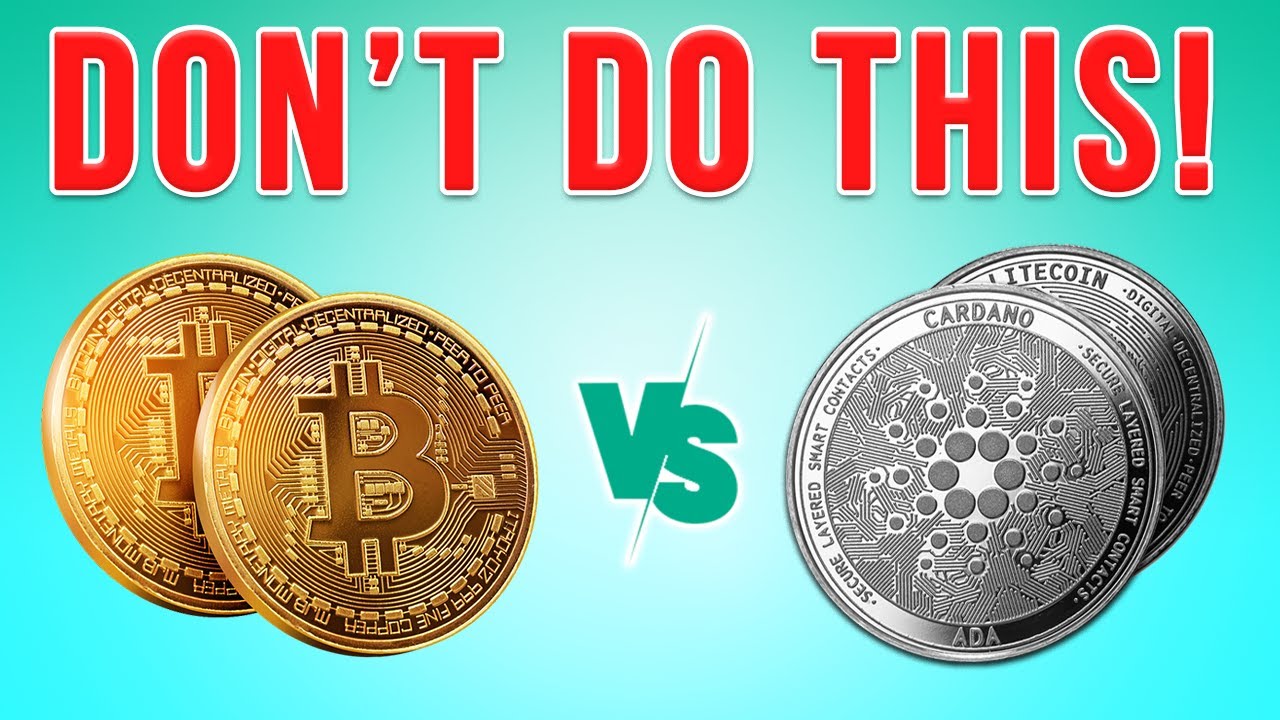
Bitcoin vs altcoins (animated explainer video)
When bitcoin was launched in 2009, there was little to no competition in the new digital currency space. In 2011, however, new types of crypto-currencies began to emerge. Thus, the race to create more crypto was on. Today, there are thousands of different types of cryptocurrencies called altcoins, and while each one is designed to offer a new feature, most are based on similar principles to bitcoin: but then, what are these altcoins and how do they differ from bitcoin? In this video, we will show you the difference between Bitcoin and these Altcoins in the general case, then we will explain case by case, the 9 best Bitcoin alternatives. So, keep watching until the end.
Let’s dive right in.
Altcoins are based on the same principle as bitcoin but go even further with unique features.
Today, there are more than 15,430 different crypto-currencies with a total market capitalization of more than $2700 billion. These more than 15,430 altcoins are circulating in the cryptocurrency markets. You may be wondering if we need them, but the truth is that it’s just competition in a free market.
The rapid popularity of crypto-currencies has led to the creation of thousands of them. While they provide investors with options, they also make them nervous. Given the relatively new nature of the industry, it is wise to be able to distinguish between them. Thus, there are two categories: bitcoin and altcoins. Given its dominant appeal, bitcoin is the largest cryptocurrency. As the blockchain technology, which cryptocurrency is based on, has matured, it has led to the emergence of several new cryptocurrencies like Ethereum, Ripple and many others. These new coins have been dubbed “altcoins”, an abbreviation for “alternative coins”.
These altcoins are based on the same principle as bitcoin but go even further with unique additions and features. Most altcoins have been launched to improve on bitcoin in some way.
Like bitcoin, some crypto-currencies have a limited supply of coins, which helps create demand and boost their perceived value. For example, there is a fixed number of bitcoins that can be created and that number is 21 million coins, as decided by the creator of bitcoin.
While most altcoins are built on the same basic framework as bitcoin and share some of its features, each offers investors something different. Some altcoins use a different process to produce and validate transaction blocks. Others may offer new features, such as smart contracts, or advantages such as lower price volatility. You may be surprised to learn that the first altcoin to enter the market alongside Bitcoin was intended to decentralize the registration of domain names on the web and was also used as an alternative digital currency.
Generally speaking, Altcoins have built on the success of Bitcoin by slightly modifying the rules to appeal to specific users. For example, Ethereum, the second-largest cryptocurrency by market capitalization, introduced the idea of “smart contracts.” These smart contracts are essentially code that executes only when predetermined conditions are met. They execute agreements between two parties using blockchain technology, opening up possibilities for developing new applications for cryptos.
Altcoins have improved functionality, transactions and scaling to meet the booming demand. As the altcoin market continues to grow, many wonders if the leaders of the original crypto-currency will end up with one of its successor coins. Simply put, bitcoin is the original crypto-currency and all others are “altcoins.” You may wonder if we need them, but the truth is that it’s simply competition in the free market. Everyone is free to launch their crypto-currency. And everyone who does so thinks, or at least claims, to have something unique to offer. But in practice, most of them are crypto-currencies or reward tokens for certain apps and platforms. Despite their large numbers, only the strongest will survive to achieve mass adoption.
However, is the growing competition from altcoins hurting bitcoin? Well, be aware that in most cases, it only advances the crypto space. Furthermore, not all altcoins are direct copies of bitcoin and often include unique value propositions.
Known or not, recent or not, cryptocurrencies are assets in their own right. Nevertheless, the layman will often have trouble finding his way around. Between a technical lexical field, a speculative aspect difficult to master, but also various opportunities sold by the promoters of these Altcoins, one will often spend hours analyzing the market.