





BlackRock’s IBIT Bitcoin ETF has sold almost 100,000 BTC in recent months to meet redemption requests, now holding just over 733,000 BTC, as the BTC price has climbed by almost 10% since plunging to lows of under $57,000 in early July 2026, more than 50% off the October 2025 all-time high above $126,000.
Into that drawdown, Bloomberg Intelligence senior ETF analyst Eric Balchunas has published what amounts to a structural diagnosis: the 22-year history of the gold ETF is the most instructive precedent available for anyone holding a Bitcoin ETF today.
Bitcoin ETFs Likely to Mirror Gold’s History of Triumph and Pain.. New from me on how gold ETFs’ 22-year history may offer the closest roadmap yet for Bitcoin ETF investors. Both are wrappers around non-yielding stores of value that generate no cash flow, leaving investor… pic.twitter.com/3C4tZYPLCp
— Eric Balchunas (@EricBalchunas) July 17, 2026
This is not simply a markets-in-turmoil observation. It is an argument about the structural mechanics of sentiment-driven, non-yielding asset wrappers – and what those mechanics have historically implied for investor patience and cycle outcomes.
The analytical question is no longer whether Bitcoin ETFs will face painful drawdowns; it is whether investors understand that gold’s own roadmap ran through an eight-year stagnation period before setting successive new highs.
The Mechanism: Why Non-Yielding Wrappers Follow Sentiment, Not Fundamentals
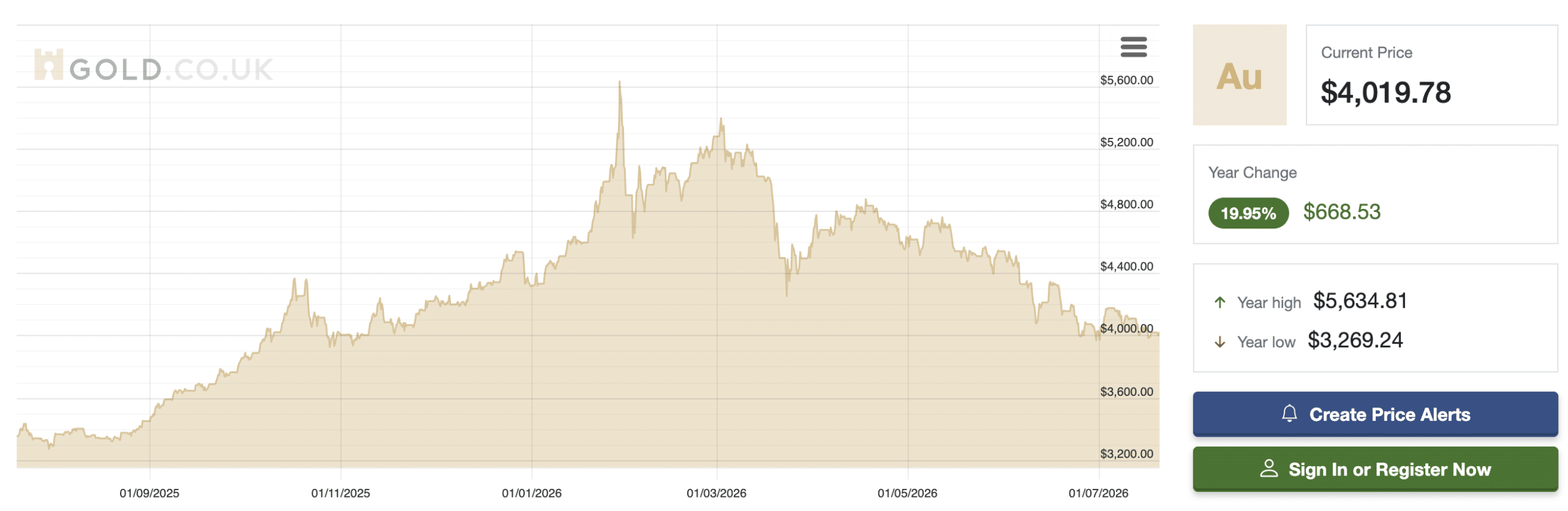
Balchunas noted in a July 17 Bloomberg piece that both GLD and Bitcoin ETFs are “wrappers around non-yielding stores of value,” with their performance driven by investor sentiment rather than cash flows.
This means that price movements can be volatile, reacting rapidly to changes in demand without a fundamental valuation anchor. GLD briefly became the world’s largest ETF in 2011 but struggled for years to regain that status.
He compared this to IBIT, highlighting how demand can fluctuate rather than remain steady. Since their January 2024 launch, U.S. spot Bitcoin ETFs have seen about $38Bn in net inflows, making them one of the fastest-growing fund launches.
Meanwhile, gold’s market cap has reached nearly $28 trillion since the introduction of gold ETFs in 2004, providing long-term optimism amid short-term challenges.
EXPLORE: Best Meme Coins to Buy in July
Institutional Demand: The Stabilizing Variable in the Current Bitcoin ETF Drawdown
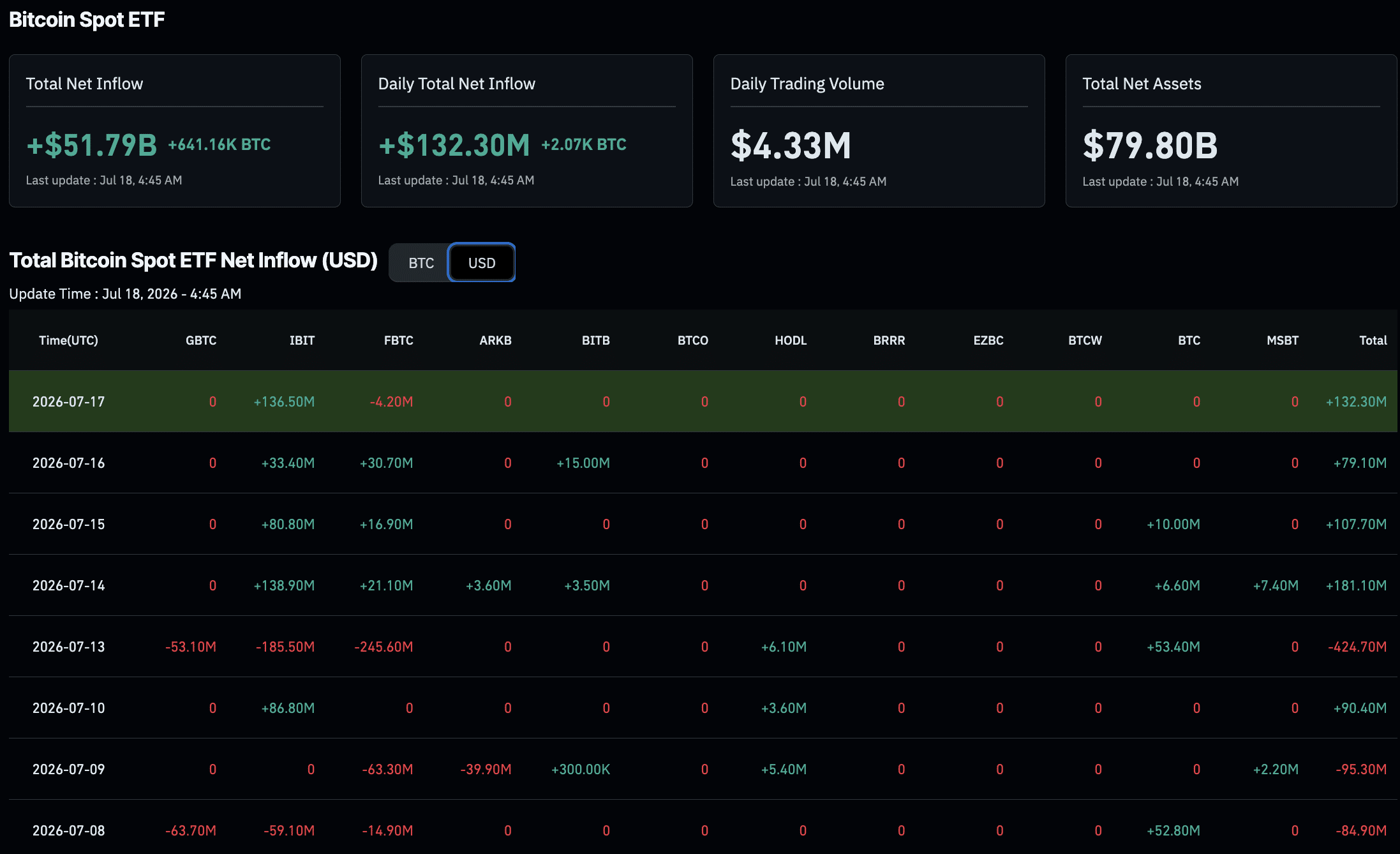
The IBIT redemption data serves as a crucial near-term stress indicator, with Wall Street analysts noting that ETF flows are vital to any price recovery. IBIT sold nearly 100,000 BTC to meet redemption requests, highlighting the rapid impact of sentiment-driven outflows in a challenging macro environment. Bitfinex analysts warned that further outflows could jeopardize the recent recovery.
Simon-Peter Massabni from XS.com emphasized that institutional demand is more robust than the flow data implies. He stated that spot Bitcoin ETFs continue to attract steady investments, helping to relieve selling pressure during market pullbacks.
This distinction supports Balchunas’ thesis that institutional investment in Bitcoin ETFs may be more stable than retail flows, potentially leading to a shorter, shallower drawdown than gold’s eight-year stagnation. However, the ongoing redemption cycle at BlackRock’s IBIT has not yet provided a conclusive answer.
The High-Water Mark Thesis: Each Gold Cycle Set a New Peak
$BTC tried to reclaim $65,000 but failed again.
As long as Bitcoin stays below it, sellers will be in control. pic.twitter.com/df03eygBdP
— Ted (@TedPillows) July 20, 2026
Balchunas’ framework is bullish on the long term while acknowledging short-term challenges. He believes that each gold ETF cycle has raised the high water mark, suggesting that the recent BTC drop from over $126,000 is a temporary correction rather than a long-term decline.
The key question for crypto ETF participants is whether the current demand lull will be resolved by a macro catalyst, like a shift from the Federal Reserve, or if it will lead to stagnation similar to GLD post-2012.
While the BTC recovery from sub-$57,000 aligns with Balchunas’ outlook, it hasn’t yet confirmed it. The gold precedent shows that a lack of yield isn’t a critical flaw; instead, sentiment is key and recovers on its own timeline.
DISCOVER: Best Meme Coins to Buy in 2026
next
Disclaimer: Coinspeaker is committed to providing unbiased and transparent reporting. This article aims to deliver accurate and timely information but should not be taken as financial or investment advice. Since market conditions can change rapidly, we encourage you to verify information on your own and consult with a professional before making any decisions based on this content.

Daniel Frances is a technical writer and Web3 educator specializing in macroeconomics and DeFi mechanics. A crypto native since 2017, Daniel leverages his background in on-chain analytics to author evidence-based reports and deep-dive guides. He holds certifications from The Blockchain Council, and is dedicated to providing “information gain” that cuts through market hype to find real-world blockchain utility.