





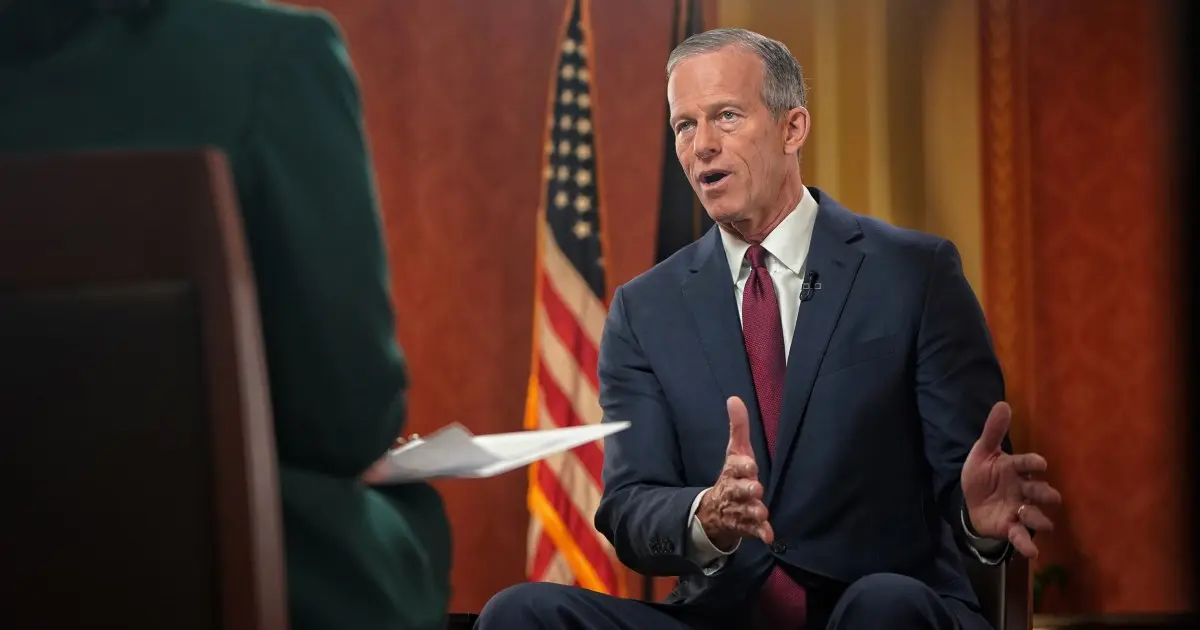
Senate Majority Leader John Thune filed a cloture motion on the motion to proceed to H.R. 3633, the Digital Asset Market Clarity Act, earlier this month. The same record also shows Thune made the underlying motion to proceed, the procedural step that precedes any cloture vote.
This is not simply a scheduling notation. It is the mechanism by which the Senate decides whether the CLARITY Act even reaches the floor for debate, a threshold that has stalled prior crypto market-structure bills before they ever got a substantive vote.
More than two months elapsed between that committee action and the motion to proceed, a gap that reflects competition for floor time rather than any documented objection recorded in the bill’s action history. Recent analysis of the bill’s Senate passage prospects has flagged that timing, not committee substance, as the binding constraint heading into fall.
DISCOVER: Best Meme Coins to Buy in 2026
The CLARITY Act Mechanism: Why 60 Votes, Not 51, Decide the Next Step
Cloture on a motion to proceed generally requires three-fifths of the Senate, or 60 votes, to end debate over whether the chamber will take up a bill at all. This threshold, standard under Senate procedure, means Republicans need Democratic support to advance H.R. 3633 even before any vote on amendments or final passage occurs.
The Senate’s own cloture motions log, maintained at senate.gov, lists the August 8 filing as the “Clarity Act motion to proceed,” filed by Thune, with no recorded vote result as of the log’s most recent update. The Block reported that the cloture vote is expected to ripen on September 15, though that date has not appeared on a formal Senate floor notice in the record reviewed here.
JUST IN: Coinbase CEO claims Clarity Act is a done deal as Senate Leader Thune sets Sept. 15 vote! pic.twitter.com/DwQRjRLrQI
— Bitcoin Archive (@BitcoinArchive) August 20, 2026
Substantively, the bill reported out of Senate Banking retains the House framework’s core architecture: a Commodity Futures Trading Commission role over digital commodity exchanges, brokers, and dealers, alongside the Securities and Exchange Commission’s preserved jurisdiction over primary-market transactions.
The same overview also notes a $75 million cap over any 12-month period for issuers relying on the bill’s registration exemption, tied to the certification that a related blockchain is “mature.”
EXPLORE: Trade Crypto on Kraken Today
What a Failed or Successful Cloture Vote Would Signal
A successful cloture vote would not settle crypto regulation on its own; it would only open the floor to debate and amendments, with final passage still unscheduled.
A failed vote, by contrast, would effectively return the bill to the calendar with no guaranteed path back to floor time this session, a risk detailed in coverage of the SEC’s posture ahead of the Senate recess. Either outcome will tell market participants more about the Senate’s appetite for crypto market-structure legislation than any committee markup has so far.
EXPLORE: Best Crypto Coins to Buy This August
next
Disclaimer: Coinspeaker is committed to providing unbiased and transparent reporting. This article aims to deliver accurate and timely information but should not be taken as financial or investment advice. Since market conditions can change rapidly, we encourage you to verify information on your own and consult with a professional before making any decisions based on this content.