


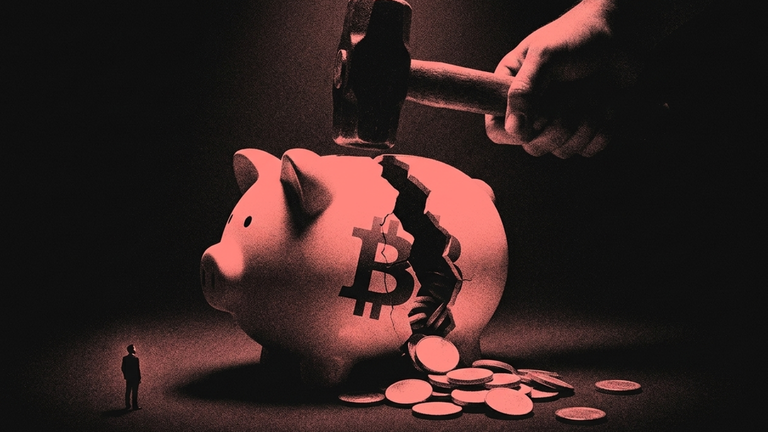
MARA Holdings has reportedly transferred another 366 Bitcoin, worth approximately $23.3 million, as the mining company continues to monetize its BTC reserves during a major shift in its treasury strategy.
Blockchain tracking account Lookonchain flagged the movement on November 18.
The latest movement comes after MARA’s disclosed Bitcoin sales reached approximately 40,581 BTC in 2026, generating around $3.03 billion at an estimated average price of $74,446 per coin, according to transaction tracking figures.
Bitcoin was trading near $64,400 at the time of the latest report, below MARA’s estimated average selling price. The company’s growing sales have attracted attention as it redirects capital toward debt reduction, artificial intelligence infrastructure, and other corporate priorities.
MARA’s 2026 Bitcoin Sales Reach 40,581 BTC
MARA’s selling activity has accelerated throughout 2026. Its November 9 quarterly filing disclosed that the company sold approximately 26,984 BTC for $1.9 billion during the first nine months of the year.
After the quarter ended, MARA sold another 13,597 BTC at an average price of approximately $81,039, generating roughly $1.1 billion.
Together, those disclosed transactions account for 40,581 BTC and approximately $3 billion in proceeds. The higher $3.03 billion figure and $74,446 average selling price reflect aggregated transaction estimates rather than a separate full-year sales figure reported by the company.
The scale of the sales is notable when compared with mining production. MARA mined 2,247 BTC during the third quarter but sold 3,891 BTC during that quarter, according to its shareholder letter. Its subsequent 13,597 BTC sale was also substantially larger than its quarterly production.
This marks a significant change from MARA’s earlier treasury approach. In 2024, the company announced a policy of retaining the Bitcoin it mined and adding to its holdings. It later changed that approach, first allowing sales of mined Bitcoin and then expanding the policy in 2026 to include existing treasury holdings.
$750 Million Bitcoin-Backed Loans Repaid
One of the main reasons behind MARA’s recent sales was its decision to clear Bitcoin-backed borrowing.
In August, the company entered into two Bitcoin-collateralized loan arrangements totaling $750 million. The financing included $600 million in new capital and $150 million used to refinance an existing facility.
MARA subsequently used $750 million from its $1.1 billion Bitcoin sale to repay the loans in full. The repayment released 17,477 BTC that had previously been pledged as collateral.
Before repayment, approximately 57% of MARA’s 34,012 BTC holdings at the end of September were loaned or pledged. Following the repayment, the company said less than 5% of its remaining Bitcoin was loaned or pledged.
The move reduced its exposure to collateral obligations and gave it greater control over the Bitcoin remaining on its balance sheet.
MARA also said it borrowed when Bitcoin was trading around $64,000 and later sold BTC at approximately $81,039. The company estimated that the timing generated a net benefit of around $170 million.
Altcoin Buzz previously covered the repayment and the company’s third-quarter results in MARA Posts $634 Million Q3 Profit, Sells 13,597 BTC to Repay Debt.
MARA Plans to Use Bitcoin Sales for AI Infrastructure
MARA’s Bitcoin sales are also connected to its broader expansion beyond cryptocurrency mining.
The company is building an AI and digital infrastructure business, using its energy assets, power capacity, and data center development plans to pursue demand from cloud computing and artificial intelligence customers.
Its majority-owned subsidiary Exaion signed a four-year GPU-as-a-service contract worth $79 million with its first US customer. The agreement uses a take-or-pay structure, meaning the customer pays for the contracted computing capacity regardless of how much it uses.
MARA has also reported a pipeline of more than $3 billion in potential contract value, although that pipeline should not be confused with signed or guaranteed revenue.
The company’s power infrastructure strategy is another part of the transition. Its planned acquisition of Long Ridge Energy & Power is intended to give MARA access to power generation and land that can support future data center development.
MARA has identified capital projects, AI infrastructure, debt obligations, and potential share repurchases as possible uses for proceeds from future Bitcoin sales.
Its board has also authorized a share repurchase program of up to $500 million. This is an authorization rather than a commitment to spend the full amount.
Does MARA’s Selling Add Pressure to Bitcoin?
MARA’s continued sales come as Bitcoin trades below the company’s estimated average selling price for its 2026 transactions.
At approximately $64,400, Bitcoin is around 13.5% below the estimated $74,446 average selling price across the reported 40,581 BTC. That comparison provides context for the company’s treasury activity, but it does not mean MARA has sold every coin at a loss or that the company is selling because of the current market price.
The transactions can add supply to the market if the Bitcoin is sold through exchanges or other liquidity providers. However, an on-chain transfer alone does not establish that a sale occurred, and the actual market impact depends on how the transactions are executed.
MARA’s disclosed sales also reflect corporate capital allocation rather than a simple directional bet against Bitcoin. The company has used proceeds to reduce borrowing and is considering further investment in infrastructure and other business priorities.
For Bitcoin markets, the key issue will be whether other large miners and corporate holders follow a similar approach. If more companies sell treasury Bitcoin to meet financing needs or fund new businesses, that could add to available supply. But MARA’s transactions alone do not establish a broader wave of institutional selling.
The latest 366 BTC movement adds another development to watch, but its status as a completed sale remains unconfirmed. MARA’s larger treasury shift, however, is already clear: the company is increasingly treating Bitcoin as a source of capital to support its next phase of growth.